











Why You (May) Need to Eat More Fat
Dietary fat has been portrayed as the big bad for such a long time, it can be easy to forget your body actually NEEDS it. If you are not getting...
2 min read

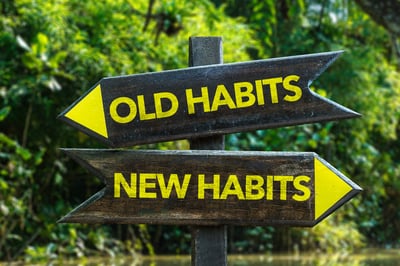 Fasting has grown in popularity over the past decade, but it is nothing new. Humans have been doing it the entirety of our existence. How and why people fast can vary greatly. Doing so safely, in order to fully derive the benefits, is important. So is finding a way to fit fasting comfortably into your lifestyle. Medical experts weigh in on the practice, explaining what fasting is, and how to approach it:
What is fasting?
Fasting simply means to abstain from food or drink for a period of time - though water and zero-calorie beverages such as tea or black coffee are often permitted. When one engages in the practice, "the focus is not on what you eat, but when you eat," says Dr. Jesse Bracamonte, a family medicine physician at Mayo Clinic.
The length of time one fasts varies and can mean skipping one meal or going without food and only drinking small amounts of liquid for several days at a time. Such variations in duration are usually determined by one's reasons for abstaining from food in the first place…
One of the most popular methods of intermittent fasting is doing so "for a full 24 hours once or twice a week," says Bracamonte. The "5:2" method means eating normal for 5 days a week, then restricting calorie intake to 500 to 600 calories the other 2 days of the week. The "16:8 method," or the Leangains diet, is more continuous and recommends fasting for 16 hours a day, then eating all meals during an 8-hour window only.
Is fasting good for you?
Following any of these forms of intermittent fasting can have benefits - so long as some considerations are kept in mind. A New England Journal of Medicine study shows a host of advantages of intermittent fasting that include improved blood pressure and resting heart rate, enhanced metabolic health, increased cognitive function, and the burning of fat. Other research has shown similar advantages.
These benefits occur, in part, "as cells throughout the body and brain respond to intermittent fasting by improving their function and ability to cope with stress and counteract disease processes," says Mark Mattson, a neuroscientist at Johns Hopkins Medicine who has studied intermittent fasting for 25 years and has co-authored much of the research on the topic. He adds that one of the ways the body helps with healthy weight management is by exhausting sugar stores and burning fat after going many hours without food - a process he calls "metabolic switching."…
How many times a week can you fast?
Despite such benefits, intermittent fasting isn't for everyone. Some people engaging in the practice experience fatigue, headaches, or irritability - though such symptoms often lessen over time as your body adjusts to caloric intake changes…
Mattson says randomized controlled trials so far have been focused on adult women and men - studies that, "have not revealed any harms of intermittent fasting" in those groups. But, "there have not been trials in children, pregnant women, or elderly frail people - so they should be cautious when engaging in the practice and should consult with their doctor before doing so," he advises.
For people who want to try out intermittent fasting, "It is advisable to start gradually, listen carefully to your body, and pay attention if you start feeling unwell," suggests Bracamonte. "And plan your meals ahead of time to make sure you are getting the adequate amount of nutrients your body needs."
You can read the full article here.
If fasting works for you, great! Many legitimate and proven diets such as the DASH diet and the Mediterranean diet are also commonly suggested - as are well-studied and important recommendations to limit sugar or salt intake, reduce excessive calories, and exercise more frequently. The bottom line – there is no one size fits all approach to healthy eating. Finding a practice that works for you, that you enjoy while it benefits your overall health, is what matters.

Dietary fat has been portrayed as the big bad for such a long time, it can be easy to forget your body actually NEEDS it. If you are not getting...

In order for your vehicle to function well and provide an enjoyable driving experience later down the line, it’s important to take good care of its...

We all want to do what we can to optimize our health. What that looks like is going to be different for everyone. Registered dietitian Whitney Evans,...