











Borrowing from Your IRA
When you’re building for retirement, an IRA is one of the best assets you can have in your portfolio. But can it help if you need money now? Taking...
1 min read

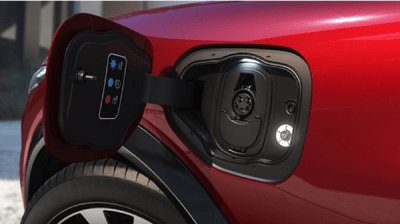 Sales of electric vehicles continue to rise in 2024. There are many reasons to consider buying one. Did you know you could save on your taxes if you do so? In May, the Internal Revenue Service (IRS) released its final rules for the federal tax credit program. Electrek.com helps break down what it could mean for your pocketbook:
Following months of difficulties amongst automakers trying to become compliant to qualify, the US Treasury Department and IRS have relaxed some parameters, including the sourcing of graphite, electrolyte salts, binders, and additives… at least until 2027.
This latest news follows an October 2023 update that pertained to the transferring of credits. Per the IRS:
The Internal Revenue Service issued proposed regulations, Revenue Procedure 2023-33 (PDF) and frequently asked questions today for the transfer of new and previously owned clean vehicle credits from the taxpayer to an eligible entity for vehicles placed in service after Dec. 31, 2023.
This “transfer” is essentially the ability of a new EV buyer to give the tax credit to the dealer selling them their shiny new EV. In exchange, the dealer can give the equivalent “in cash or in the form of a partial payment or down payment.”
However, all the same eligibility criteria still apply even with a transfer, including the buyer having a federal tax burden.
The buyer must give the dealer all their tax information, which will then be submitted to the IRS. The dealer is not required to verify the information, and therefore, the disclosure falls on the buyer. All the other previous vehicle requirements, like MSRP limits, and for the buyers, like income limit requirements, apply here.
The only requirement that this update allows you to avoid is your tax burden. If, for some reason, you can afford to buy a new car and yet you happen to have a tax burden smaller than the full amount of tax credit you are eligible for, the IRS says that it won’t “recapture” the difference.
You can read the full article here, and find a list of the eligible vehicles. Some people have been on the fence about moving forward with an EV purchase, because they were waiting for the final guidance from the IRS. Now that it has been released, perhaps the time has come for you to step into the future!

When you’re building for retirement, an IRA is one of the best assets you can have in your portfolio. But can it help if you need money now? Taking...

As an entrepreneur, you’ve probably considered and calculated a myriad of expenses, including the cost of inventory, rent, utilities, shipping and...

Phishing is an all too common way for scammers to learn your personal information and access your financial accounts. To help prevent yourself from...