




How to Save on Summer Travel This Year
With Spring Break in the rear view mirror, it’s time to set your sights on summer vacation, and travel! How can you find the best deals? Travel...
2 min read
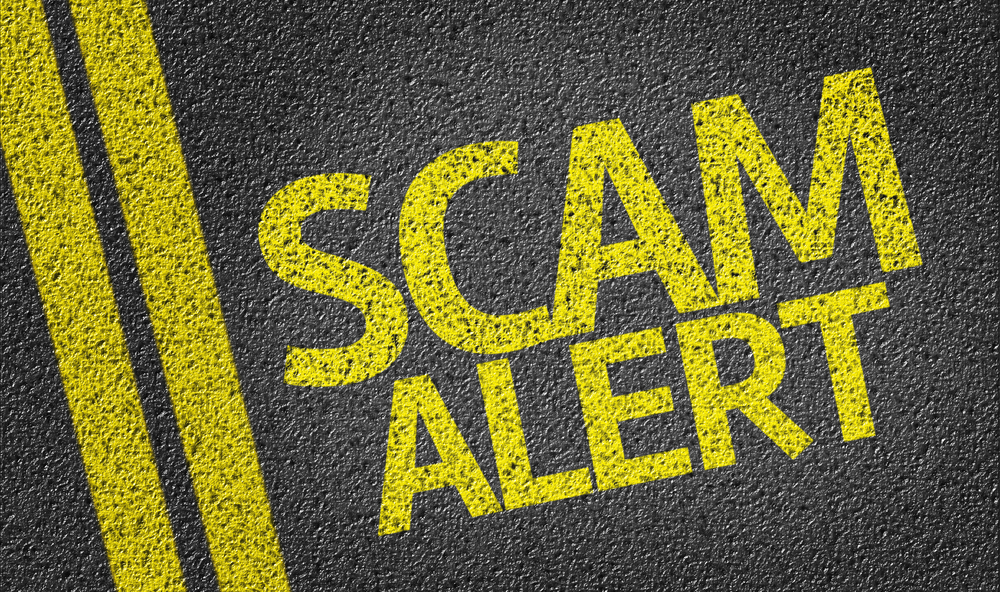
 Seventy-three percent of American adults have experienced an online scam or attack. Opening your email or text messages can feel like wading through a minefield. But there are easy ways to determine whether an email is a scam — you just have to know what to look for. In fact, one word is almost a dead giveaway that the email or text is trying to steal your money or identity.
Here is that magic word, plus seven other reliable ways to identify scams:
The Single Red Flag Word: Kindly
If you get weekly phishing emails and texts, you might already recognize the word “kindly” as a massive red flag. It’s used in many scams, in phrases like “would you kindly” or “kindly respond.” But Americans rarely use that word, so it’s a tipoff the sender is located in a country that has a British influence, including India, Nigeria, and Pakistan…
Other Scam Tipoffs:
Misspellings
There’s other telltale signs of a scam, whether the email or text includes “kindly” or not. One easy one? Misspellings. If that email actually came from Best Buy, it’s unlikely there’d be spelling mistakes and typos throughout. Real companies probably wouldn’t let simple misspellings slip by.
Bad Grammar
Similarly, scams usually include bad grammar. That could mean strange turns of phrase or sentences that just seem off. Usually that indicates the email or text was written by someone who is not a native English speaker, and probably isn’t the company or service that they’re saying they are.
Unusual Greetings
Companies like banks and online stores have huge databases of their customer information. They often use that data to automatically address marketing emails using your correct name. People who send out phishing scams, however, don’t have that kind of information. They use generic greetings like “Dear,” with no name, “Greetings!” in a serious email, or “To: Customer.” If it feels weird to you, it’s probably a scam.
Attachments
Email attachments are often a way that scammers surreptitiously gain access to your computer because they contain malware, a malicious software. These kinds of attachments are often .zip or .exe files, but can be disguised as another type of file. If you don’t know the sender of an email, never click on or download any attachments.
Urgency
Scammers want you to fall for the scam as fast as possible. The longer you have to think about something, the more likely you are to realize it’s a scam, and they know that. So phishing emails and texts often purport to be very urgent, requiring your action now. Phrases like “urgent action required,” “your account will be closed in 24 hours,” and “immediate action needed” are usually red flags for a scam.
Weird Sender Address
If you’re not quite sure whether an email is a scam or not, check the sender’s email address. They’ll often use emails that are similar to the company or group they’re pretending to be from, but if you look closely, you’ll see some key differences. Think gene12@paypa1.com for PayPal, or customerservicebox@irs.gov.com if they’re trying to convince you they’re from the IRS.
Suspicious Links
Just like attachments, links can go to web addresses that will download malware onto your computer without you even knowing it. They may also go to an entire spoofed website that looks very similar to the real one, save for the URL. When you’re not sure about a link in an email, hold your mouse over the link without clicking and you’ll be able to see the web address it goes to. If it doesn’t look right, don’t click it.
For information on how to report potential scams, you can read the full article here.
Many of these red flags come down to basic common sense. Most of us know how to recognize a fraud attempt. However, scammers are growing more and more sophisticated, and even the most alert consumer can fall prey to their schemes. If an email or text gives you pause, look closer. Be very protective of your personal and financial information. Better safe than sorry!

With Spring Break in the rear view mirror, it’s time to set your sights on summer vacation, and travel! How can you find the best deals? Travel...
Ready or not, tax season is upon us. And it provides yet another opportunity for scammers to try to separate you from your hard-earned money. The...

With the majority of Gen Z living paycheck to paycheck, saving money can feel like a luxury. A new trend has emerged that has shifted the traditional...