











Is Biking the Best Summer Exercise?
When you think about working out in the summertime, swimming might come to mind. It's an excellent form of exercise. Or maybe you are considering...
2 min read
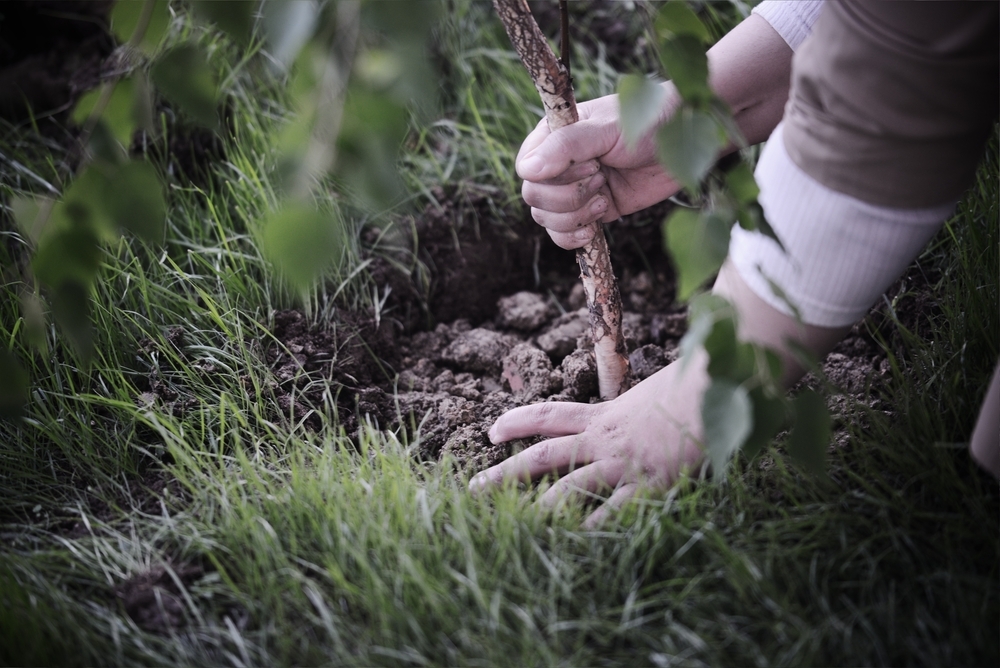
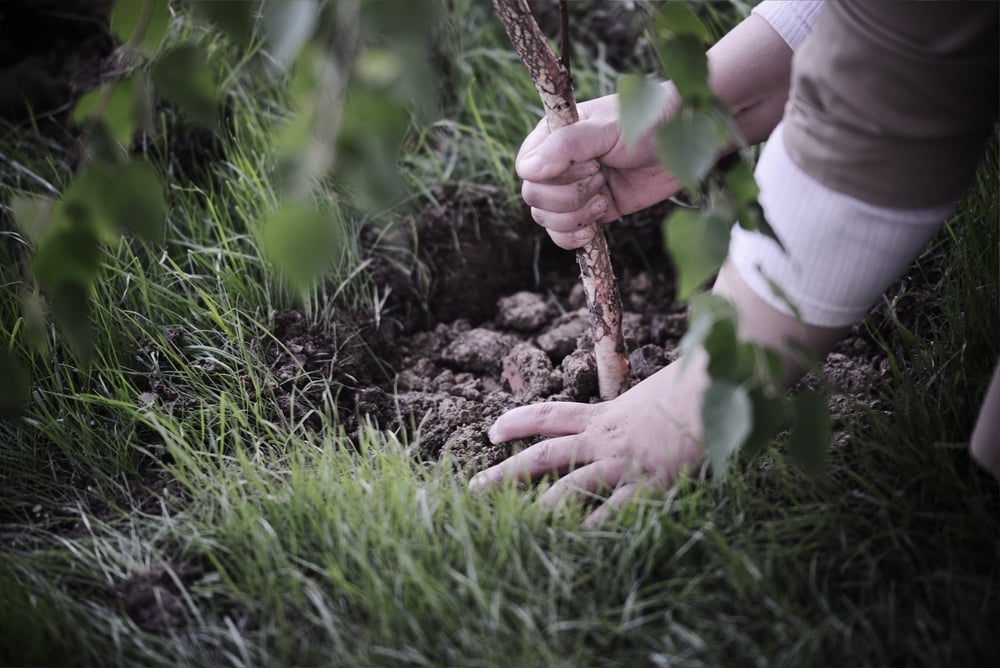 Spring is the time of year many people tend to their gardens. You probably have spent time considering which species to plant, and where. But have you considered your soil? Gardening experts have some important tips to share:
Never Designating a Foot-Traffic-Free Zone
Every time someone walks across a garden bed, they compress soil particles and crush the tiny air pockets that plant roots need to breathe. Dr. Enfield explains heavy foot traffic leads to compaction, which restricts root growth, water infiltration, and air circulation.
The fix is simple: install stepping stones or narrow board paths, then commit to staying off the planting area.
Ignoring Soil pH Until Plants Start Dying
Soil pH is the most misunderstood factor in home gardening, and ignoring it is expensive. The ideal range for most vegetables, flowers, and shrubs sits between 6.0 and 7.0. Outside that window, something called nutrient lockout occurs: your soil may be full of nitrogen, phosphorus, and potassium, but your plants literally cannot access them.
High pH causes interveinal chlorosis and bleaching, which are symptoms that are easily mistaken for a disease or pest problem. Gardeners who add more fertilizer to fix yellowing leaves while ignoring pH are throwing money away. A $15 soil test kit solves what $200 in fertilizer cannot.
Never Testing Your Soil Before You Plant
Soil testing is the step most home gardeners skip in their eagerness to get started, and it's the one that costs them the most over time. Dr. Enfield notes that a soil test reveals whether pH needs adjusting and which nutrients are lacking, allowing gardeners to make informed decisions about amendments before planting rather than troubleshooting after failure.
Local cooperative extension offices often offer tests for under $20, with specific amendment recommendations included.
Skipping Mulch Is Costing You Money
Failing to mulch is one of the costliest soil mistakes a gardener can make. Data from Texas A&M show that mulched beds retain up to 30% more moisture than bare soil, meaning that gardeners who skip mulch use significantly more water, pay higher water bills, and still lose plants to heat and drought stress.
According to Real Simple, mulch slows moisture loss, suppresses weeds, regulates soil temperature, and adds organic matter as it breaks down. A 3-inch layer of shredded leaves or straw costs almost nothing. Use it everywhere.
Leaving Soil Bare Between Seasons
Bare soil is not resting; it's dying. Exposed topsoil loses organic matter, compacts under rainfall, invites weed seeds, and loses the microbial habitat that keeps it fertile.
According to gardening educator Nicole Burke of Gardenary, one teaspoon of healthy soil contains more living organisms than there are humans on the planet. When you leave soil uncovered, that ecosystem collapses. Plant cover crops like clover or winter rye in fall, or blanket beds with 2 to 3 inches of compost to protect and feed the soil through the off-season.
Over-Tilling Is Destroying Your Soil's Architecture
Many gardeners till their beds every spring out of habit, convinced they're improving soil structure. They're doing the opposite.
The University of Nebraska Extension warns that excessive tilling, particularly with rototillers, harms soil structure and reduces drainage. Tilling also kills beneficial fungal networks, releases stored carbon, and leaves soil vulnerable to compaction. A no-dig approach, which consists of layering compost on top rather than turning it in, preserves everything that makes soil productive.
Read the full article here for more gardening and soil tips.
Whether you are looking to improve your home’s curb appeal, or grow herbs and vegetables you can use in your kitchen, don’t skip the key preparation steps that could destroy all your hard work!
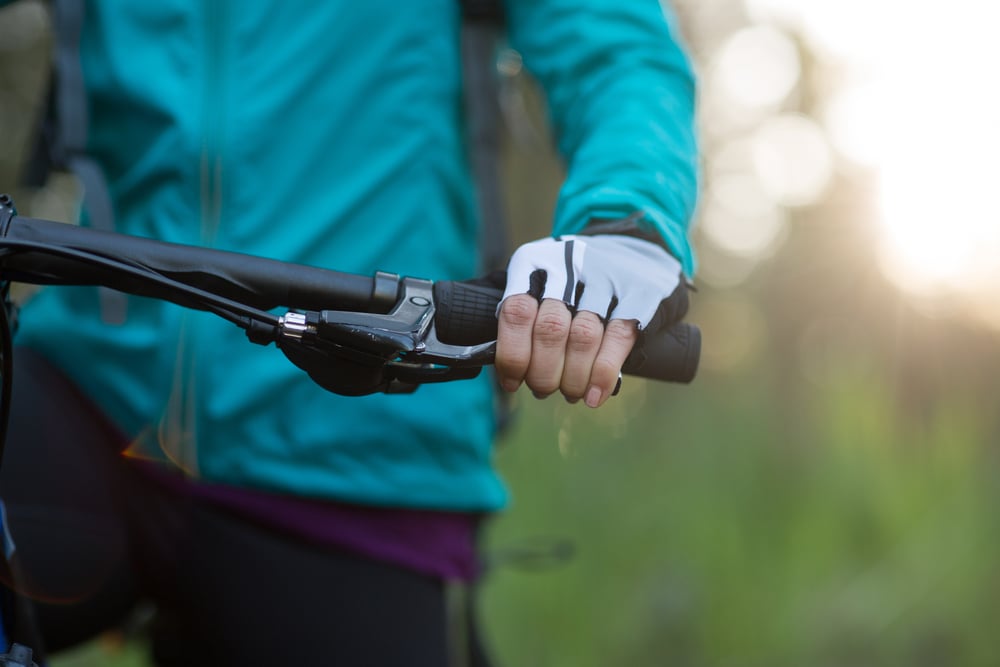
When you think about working out in the summertime, swimming might come to mind. It's an excellent form of exercise. Or maybe you are considering...

Traveling with your pet requires certain considerations, equipment, and preparation to make sure you and your furry family member have a safe and...
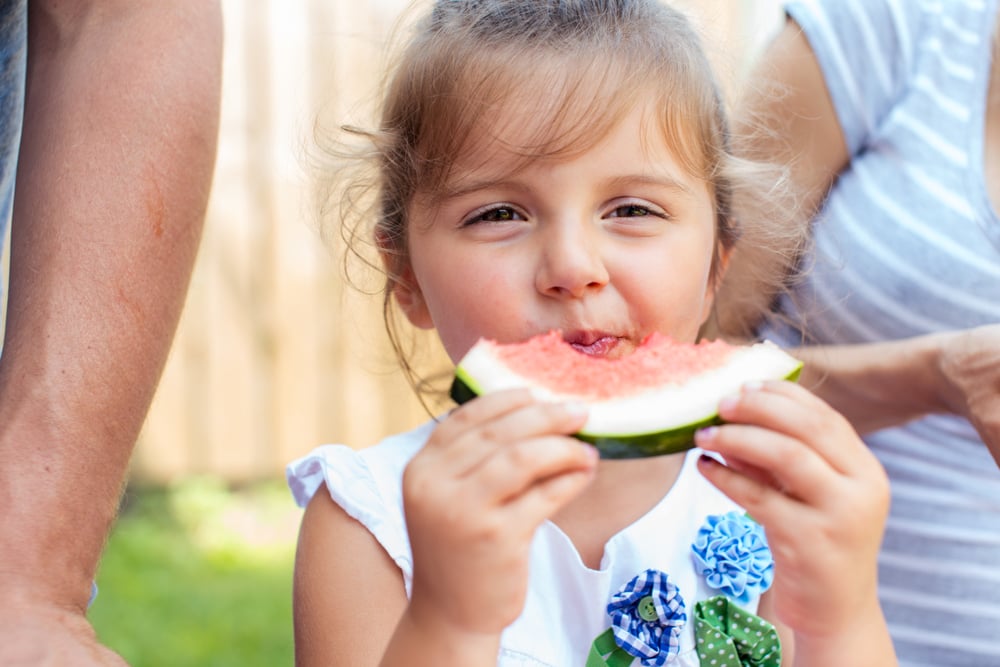
Do you have a favorite summer fruit? There are many reasons you should consider watermelon, if it is not already at the top of your list. It's a...