











Study Shows This One Thing Can Help You Fall Asleep Faster
If you’ve ever known the frustration of tossing and turning in bed, unable to fall asleep in a timely manner, chances are you’d be willing to try...
2 min read
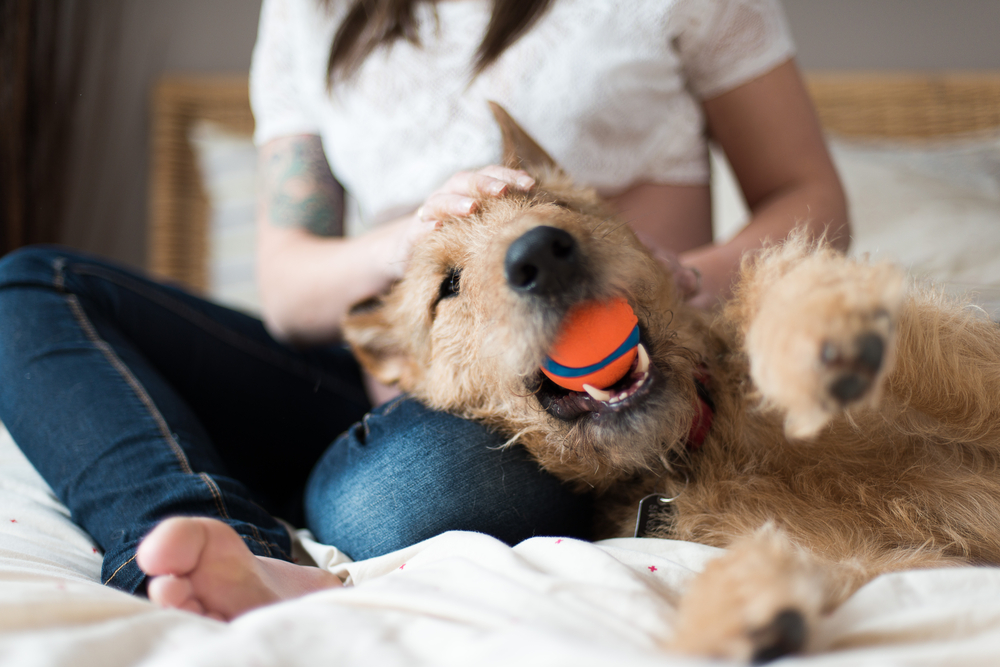
 According to a survey by the American Academy of Sleep Medicine, nearly 50% of pet owners share beds with their furry friends. Sleep researcher Wendy Troxel advocates sleeping pet free, although she thoroughly expects people to ignore her advice. Here are the reasons she recommends not allowing pets on your bed at night, and what you can do to help ensure a good night’s rest if you are not willing to separate from them:
Pets shed dander and bring in allergens, even if you’re not allergic.
Dogs have shorter sleep cycles than humans and often experience active rapid eye movement sleep, which can include twitching, running or even barking as they chase dream rabbits. (Long-lasting barking or howling can be a sign of a sleep disorder in dogs.)
Cats, on the other hand, get their major sleep period during the daytime, which means they’re often more active at night and may decide that 3 a.m. is the perfect time for a dash across your dresser.
Even when pets are not actively moving, just having more bodies in the room can increase carbon dioxide levels, which can affect air quality and, yes, the quality of your sleep.
Despite all this, people are often far more willing to sleep apart from their spouses than from their furry friends.
In my clinical practice, I approach the subject of pet-free sleep with extreme caution. I’ll recommend it, because it’s my job, but I know most people will ignore me.
Why? Because the bond people share with their pets is powerful, especially at night. As historian A. Roger Ekirch has observed, nighttime has always been humanity’s most vulnerable time.
We evolved to seek safety in numbers, and today, that sense of security often comes from a warm, snuggly animal at our side. Our pets aren’t just pets; they’re family, protectors and living teddy bears, rolled into one.
So, what’s a sleep scientist to do? If you’re unwilling to banish your pet from the bedroom, there are ways to minimize the impact on your sleep.
First, consider upsizing to a larger bed. More space means fewer midnight wake-ups from a dog doing somersaults or a cat kneading your stomach.
Invest in a good air purifier with a high efficiency particulate arresting filter to reduce dander and allergens.
Wash your bedding frequently − twice a week is ideal − to keep things fresh.
If possible, create a cozy pet bed on the floor next to yours. Make it so inviting that even you’d want to curl up there (heated pet beds can be a game-changer).
Some people find success with a halfway compromise: The pet starts the night in its own bed, but is invited up for morning cuddles.
Here’s the thing: Sleep is about trade-offs. Sure, your sleep might be objectively better without a pet in the bed, but for many, the emotional comfort outweighs the disruption.
That mirrors what we know about human couples. Research shows that even when sharing a bed with a partner comes with objective costs, like disrupted sleep, we overwhelmingly prefer it.
Why? Because the emotional benefits of sharing a bed, whether with a partner or a pet, often outweigh the downsides.
So, if you find yourself clinging to the edge of the mattress while your dog dreams of chasing squirrels or your cat practices its Olympic gymnastics routine, just remember: You’re not alone, and you’re in good (if slightly disruptive) company.
You can read the full article here.
Some pet owners may set rules that keep their furry companions off the furniture – including the bed – others could never think of turning pets away at night. For many, pets are family. The bottom line? You should do what works for you. As long as you understand how pets might impact your sleep quality, and know what you are getting in to, there’s no reason you can’t let them in bed with you at night.
If you’ve ever known the frustration of tossing and turning in bed, unable to fall asleep in a timely manner, chances are you’d be willing to try...

Traveling with your pet requires certain considerations, equipment, and preparation to make sure you and your furry family member have a safe and...

If you have ever had issues with getting a good night’s sleep, you are probably aware there are ways to tweak your routine and your bedroom to...