









Simple Ways to Avoid Getting into Debt This Holiday Season
Before you know it, the holidays will be here. Time for parties, good food, and all the gifts! If you become stressed thinking about how you will...
3 min read
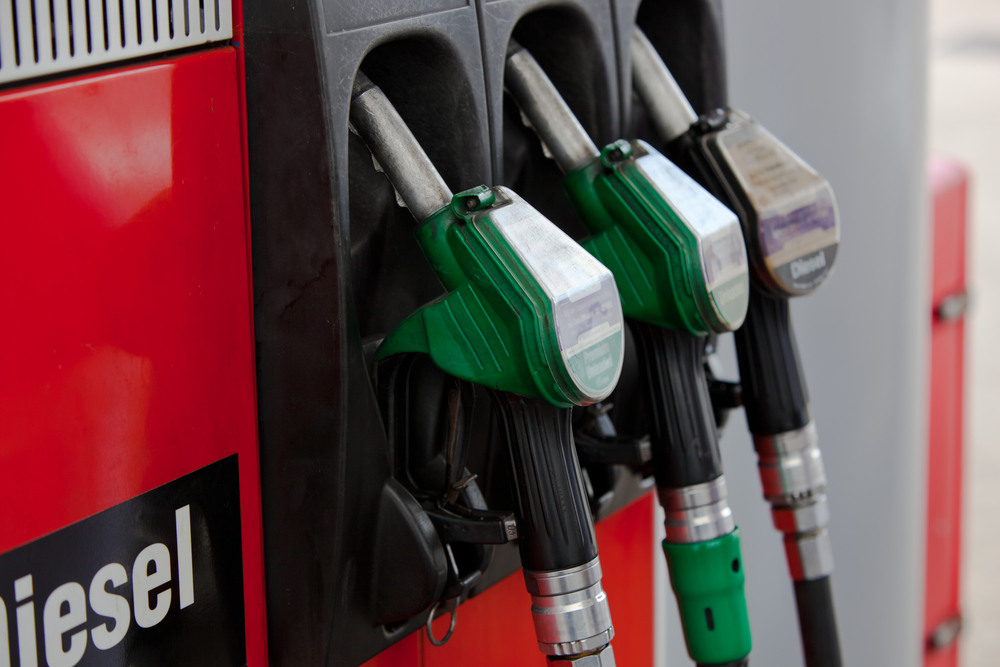
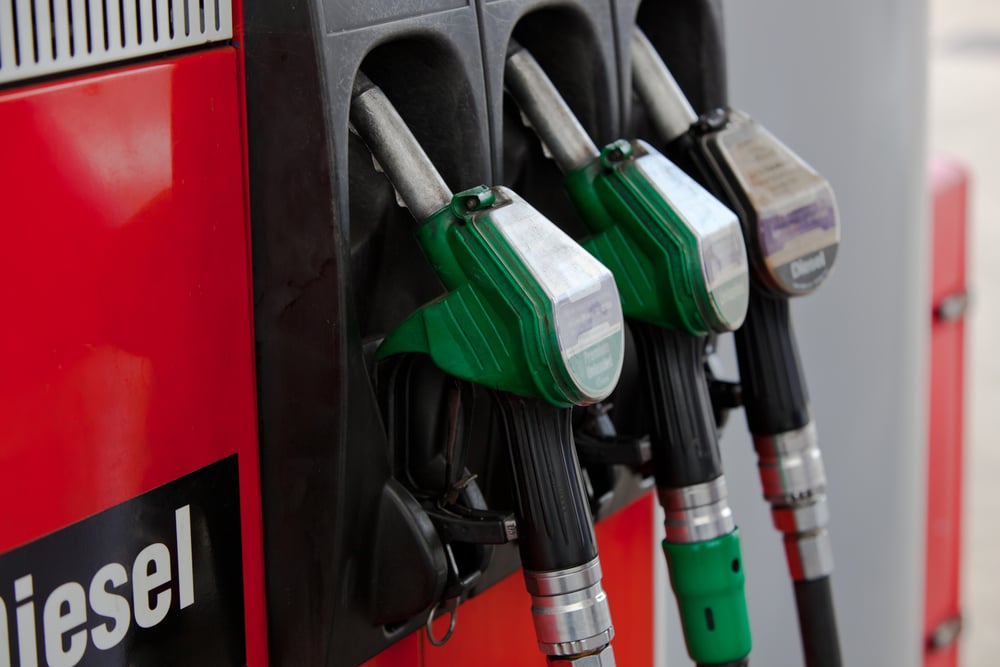 Americans across the country are facing rising gas prices. How much you pay at the pump depends on where you live. And prices are fluctuating wildly. Drivers face many uncertainties at the moment, but there are steps you can take to help mitigate the impact on your wallet. Here are 10 tips for saving money at the pump:
1. Sign up for loyalty and rewards programs
Many gas stations offer free loyalty programs that allow customers to save with every fill-up… There are sign-up perks too. Some grocery offer gas rewards. AARP members can earn extra points at certain gas stations on everyday purchases like fuel, car washes and convenience store items when they link their rewards account to their AARP membership.
2. Leverage credit card rewards
You’re probably aware many rewards credit cards let you earn points or cash back for gas purchases. But here’s a lesser-known money-saving tip from credit industry veteran John Ulzheimer: Some card issuers let you use points to purchase gas gift cards.
3. Keep your car in tip-top shape
Ensuring your vehicle is in optimal condition can help improve its fuel economy, meaning fewer stops at the gas station. Stay on top of oil changes, tire rotations and other routine maintenance, and get to a mechanic ASAP if your car’s check-engine light goes off.
Tire pressure is also key. “Underinflated tires create extra rolling resistance, which makes the engine work harder and burn more gasoline,” says Robert Sinclair Jr., AAA’s senior manager of public affairs.
You can save as much as 11 cents per gallon just by properly inflating your tires, according to the National Highway Traffic Safety Administration, yet only about 1 in 5 people do so. Sinclair recommends checking tire pressure at least once a month. Typically, you can find your vehicle’s recommended tire pressure on a sticker inside the driver’s door or in your owner’s manual.
4. Adjust your driving habits
Speeding, rapid acceleration and hard braking can reduce your gas mileage by 15 to 30 percent on the highway and 10 to 40 percent in traffic, according to the U.S. Department of Energy (DOE). Sticking to the speed limit and accelerating gently can boost your car’s fuel economy by up to 40 percent.
The DOE also cautions against hauling cargo on the roof of your car and recommends drivers avoid idling, which can burn up to half a gallon of fuel per hour. (Read: Turn off the engine when your vehicle is parked.)
5. Maintain at least a quarter tank
Don’t wait until your tank is close to empty before filling up. As you get near “E,” sediment in the bottom of the tank can build up and clog the fuel line, Sinclair says. Keeping it at least a quarter full can help prevent that.
6. Shop the smaller brands
While you’re likely to drive by more BP, Exxon Mobil and Shell stations, smaller chains like Lukoil, QuikTrip and Speedway often have lower gas prices, Sinclair says. Another option: Warehouse clubs like BJ’s, Costco and Sam’s Club offer discounted gas for their members — typically 20 cents below the average, Kloza says.
7. Compare prices
Don’t just pull over at the first gas station you see. “The location of a gasoline station can play into how much they charge,” Sinclair says. “Gasoline tends to be more expensive at stations that are on or near highways, and in affluent neighborhoods and poorer neighborhoods.” Shopping around is key. You can use free mobile apps such as AAA Mobile, GasBuddy and Gas Guru to find the lowest fuel prices near you.
8. Consider ditching premium gas
Unless your car’s manufacturer recommends you use premium, your car will likely run just fine on regular gas. A gallon of premium costs on average about 86 cents more than regular.
9. Fill up on Sundays
A recent GasBuddy analysis found Sunday is typically the cheapest day to buy gas in most states. Midweek days, especially Wednesday through Friday, tend to be the most expensive.
10. Clear your trunk of unnecessary items
Excess weight can lower your car’s gas mileage. An extra 100 pounds in your vehicle could reduce your fuel economy by about 1 percent, according to the DOE.
Read the full article here.
You may want to take time to plan your driving more carefully. Rather than leaving the house for a single errand, can you combine it with an appointment you already have, or pick up groceries on the way home from work or school? If you have public transit available, why not look into how you could utilize it? Have you considered an electric vehicle? Driving a car is such an ingrained part of American life, we tend to not think much about the miles we put in. In times like this, it could literally pay off to plan more carefully.

Before you know it, the holidays will be here. Time for parties, good food, and all the gifts! If you become stressed thinking about how you will...

2 min read
Are you sick and tired of having debt hanging over your head — yet you can’t seem to get rid of it? You may be making one or many of these common...

Managing your credit score takes hard work and it could help you purchase a house, a vehicle, or other big-ticket items. However, if a credit bureau...