











6 Ways to Optimize Your Walking Workout
Whether you spend too much time on the couch, or are constantly on the go, you can make big gains when you commit to a regular walking routine....
2 min read
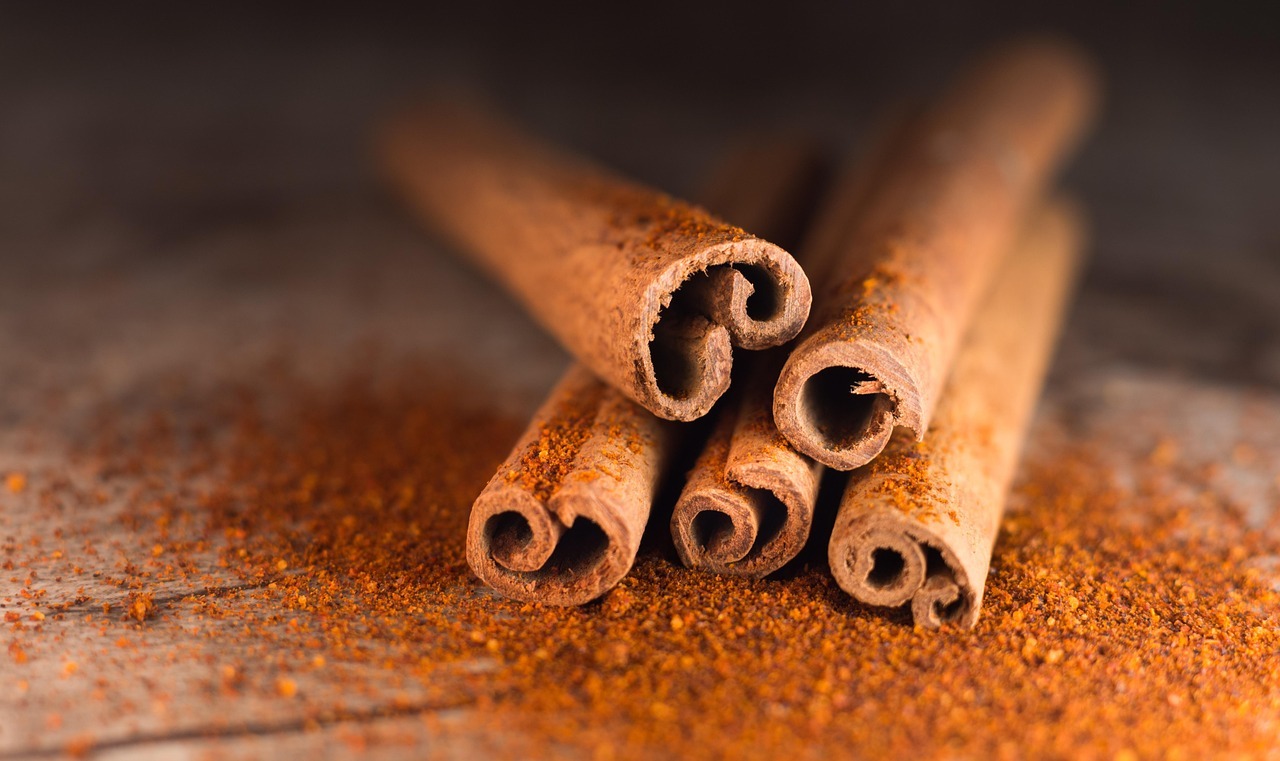
 While it may seem hard to believe as most of us are enduring the heat of summer, Fall is right around the corner! And it’s not just the season of pumpkin everything. Cinnamon is a popular spice in the cooler months. Especially around the holidays. But with the health benefits this common spice offers, there are plenty of reasons to consider using it year round…
What is cinnamon?
Cinnamon comes from the inner bark of evergreen trees in the genus Cinnamomum. After the bark of these trees is peeled, "it naturally curls into rolls as it dries, which is what we know as the cinnamon stick,” explains Kate Donelan, a registered dietitian with Stanford Health Care. These curled sticks are called quills, and they can be chewed on or steeped in hot water to make cinnamon tea. More commonly though, cinnamon quills are ground into powder –becoming a spice that's commonly sprinkled over foods or used in baking.
"Cinnamon can be used in many dishes from savory to sweet," says Erin Palinski-Wade, a New Jersey-based registered dietitian and author of "2-Day Diabetes Diet." You’ll find it in desserts and baked goods like cinnamon rolls, cookies, pies and pastries and also as a flavor enhancer atop or inside foods like oatmeal, rice pudding and French toast or beverages like apple cider, coffee, Mexican hot chocolate and mulled wines. Its flavoring is also used in a variety of candies and chewing gum. Along with enhancing taste, "adding cinnamon to a food can also extend its shelf life thanks to its natural preservative properties," says Palinski-Wade.
The two main types of cinnamon include Ceylon cinnamon (often called “true cinnamon”), and cassia cinnamon. Ceylon cinnamon is the sweeter, more delicate and more expensive version of the spice, but cassia cinnamon is more popular. Cassia cinnamon is known for being stronger in flavor and darker in color and is the type of cinnamon you usually find in grocery stores.
What is cinnamon good for?
Besides making your lattes and baked goods taste delicious, cinnamon contains several key nutrients and packs some surprising health benefits. Some of its nutrients include carbohydrates for energy, fiber for digestion, protein for muscle growth and maintenance and a slew of vitamins and minerals that include calcium, iron, magnesium, potassium and vitamins A and K.
The spice also has unique properties that make it "beneficial to blood sugar management by improving insulin sensitivity," says Palinski-Wade. Indeed, research shows consuming just half a teaspoon of cinnamon daily can lead to dramatic improvements in blood sugar regulation, making it potentially helpful in preventing type 2 diabetes from developing in some people. This benefit is doubly helpful because cinnamon is also often used as a sugar substitute, meaning "it can provide sweetness and flavor without adding calories," says Donelan.
And cinnamon contains antioxidants such as polyphenols "that help protect the body from oxidative stress and free radicals," explains Jen Messer, a nutrition consultant and registered dietitian at Jen Messner Nutrition. "And some studies suggest that cinnamon may have anti-inflammatory properties as well, which can help reduce inflammation in the body," Messer adds. "Chronic inflammation is linked to various health issues, including heart disease and certain cancers."
In proper amounts, cinnamon can also lower LDL ("bad") cholesterol levels, help alleviate gastrointestinal discomfort such as gas and bloating, "and there is preliminary evidence to suggest that compounds in cinnamon may also have a protective effect on the brain, potentially reducing the risk of neurodegenerative diseases like Alzheimer’s," says Messer.
For more information, including whether or not there is such a thing as too much cinnamon, click here.
As we head closer to fall, think about ways you can utilize cinnamon more often. Your body – and your taste buds – will thank you!

Whether you spend too much time on the couch, or are constantly on the go, you can make big gains when you commit to a regular walking routine....

Nothing beats a good book on a dreary winter day. But if your reading list is running short on options, consider these novels to make the most of...

2 min read
You have a hunger to know more about yourself and your family’s history or determine if you’re at greater risk for a life-altering affliction like...