









1 min read

New Scam Alert from the FTC

New Scam Alert from the FTC

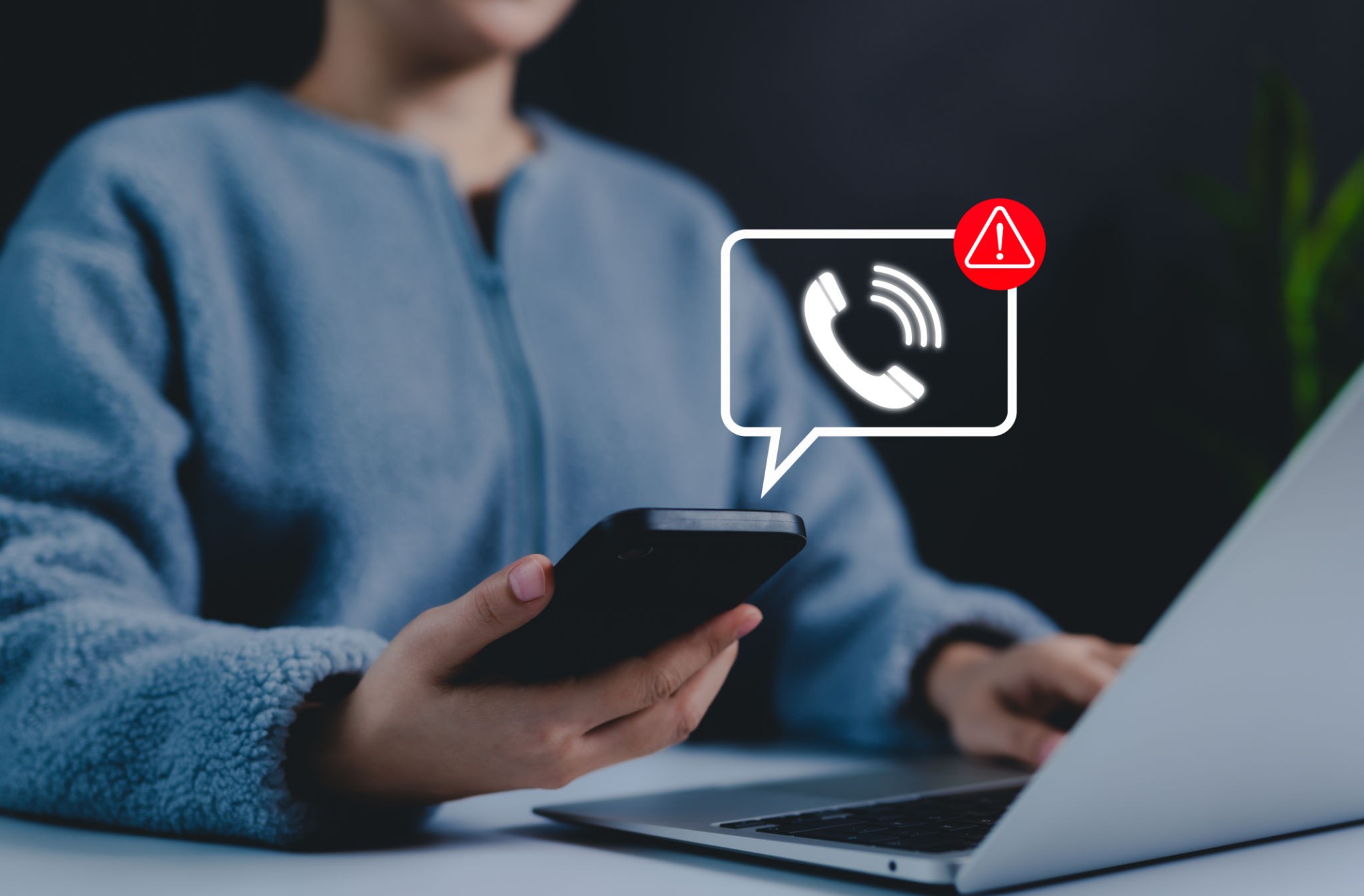
One of the ways scammers try to separate you from your hard-earned money is by impersonating trusted organizations you know. Imposter scams come in many different forms. The Federal Trade Commission (FTC) recently issued an alert about a phone scam involving its department. Here’s how it goes:

Someone claiming to be an FTC official (who’s really a scammer) calls to say a phone was registered under your name and number and is being used to commit scams in another country. The “FTC official” even reads off their badge ID (it’s a fake badge). If you don’t cooperate, they threaten to deactivate your phone number. Sounds scary? That’s (unfortunately) the point.

To keep making the story sound real, the FTC impersonator will transfer you to a (fake) police officer to file a report. If you hesitate, they might have you call back the police department directly. They’ll tell you what to search online to find the number. It feels like you’re verifying the story, but it’s all part of their scheme. And when you call, people involved in the scam pick up.

They ask for your ID and other personal information for your “report” and tell you to keep everything secret. Later, you get more bad news: They claim you’re under arrest for the scams your phone number was associated with — and they say you have to go to another country. Unless you send money for a security deposit.

None of this is true — it’s all a scam.

  • A real FTC employee will never ever reach out to ask you to send money, and will never connect you to someone who says to send money. That’s a scam.
  • A real FTC employee will never ever threaten to disconnect your phone. That’s a scam.
  • A real FTC employee will never ever tell you to keep your conversations secret. That’s always a scam.
  • A real FTC employee will never ever text you a photo of their employee ID to “verify” their identity.

If you have received a call like this, you are encouraged to report it here.

As a consumer today, it can feel overwhelming trying to stay ahead of all the methods scammers will employ. Even the most savvy person can fall prey to fraud. Any time you receive a call or email asking for personal information, or threatening you, that is a sign to pause and think before you respond. When you feel something is not right, follow your instinct and do not engage. If you believe you have been a victim, be sure to report it to your financial institution right away.


The content on this site is intended for informational purposes only and should not be considered accounting, legal, real estate, tax, or financial advice. First Federal Bank recommends that customers conduct their own research and consult with professional legal and financial advisors before making any financial decisions. Links to third-party websites may be provided for your convenience; however, First Federal Bank does not guarantee the reliability, accuracy, or safety of the information, products, or services offered on these external sites. We are not liable for any damages resulting from the use of these links, and we do not investigate, verify, or endorse the content or opinions expressed on any third-party sites. First Federal Bank | Equal Housing Lender | NMLS # 408902
Is Your Budgeting Method Failing You?

Is Your Budgeting Method Failing You?

Certified Financial Coach Amy Scott believes most budgeting advice is wrong because it is reactive. According to her, traditional budgeting sets you...

Read More
How to Protect Yourself from Check Fraud

How to Protect Yourself from Check Fraud

According to a study done by the Federal Reserve, the number of checks written by consumers, businesses, and government entities dropped by 7.2% a...

Read More
Have You Fallen for These Common Banking Myths?

Have You Fallen for These Common Banking Myths?

According to a new NerdWallet survey, banking misconceptions abound. The survey of more than 2,000 U.S. adults, conducted online by The Harris Poll,...

Read More