









Teach Your Kids About Budgeting
Nothing feels more adult that setting a budget and sticking to it. But it isn’t something you just inherently know how to do. Like with all essential...
3 min read
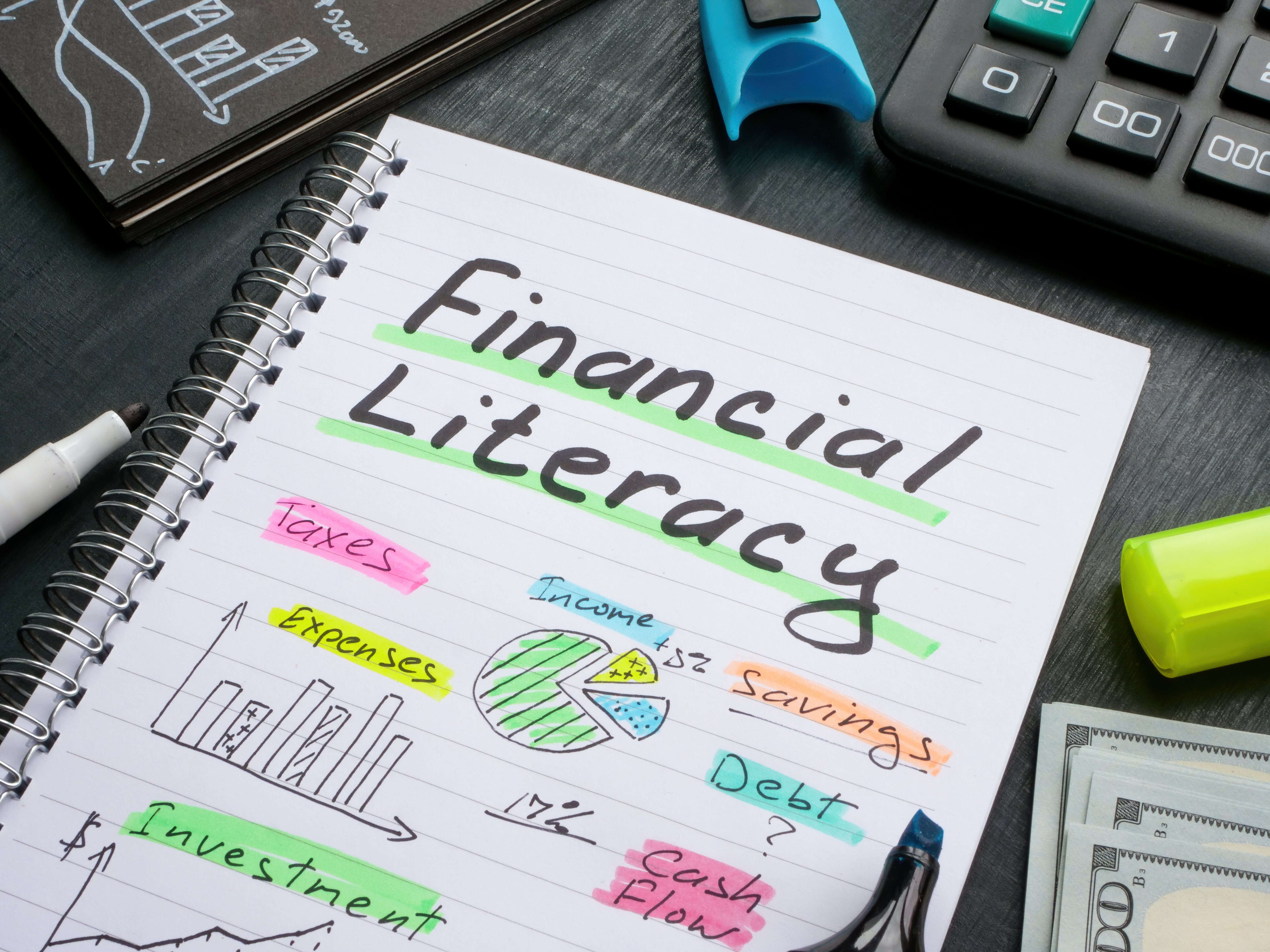
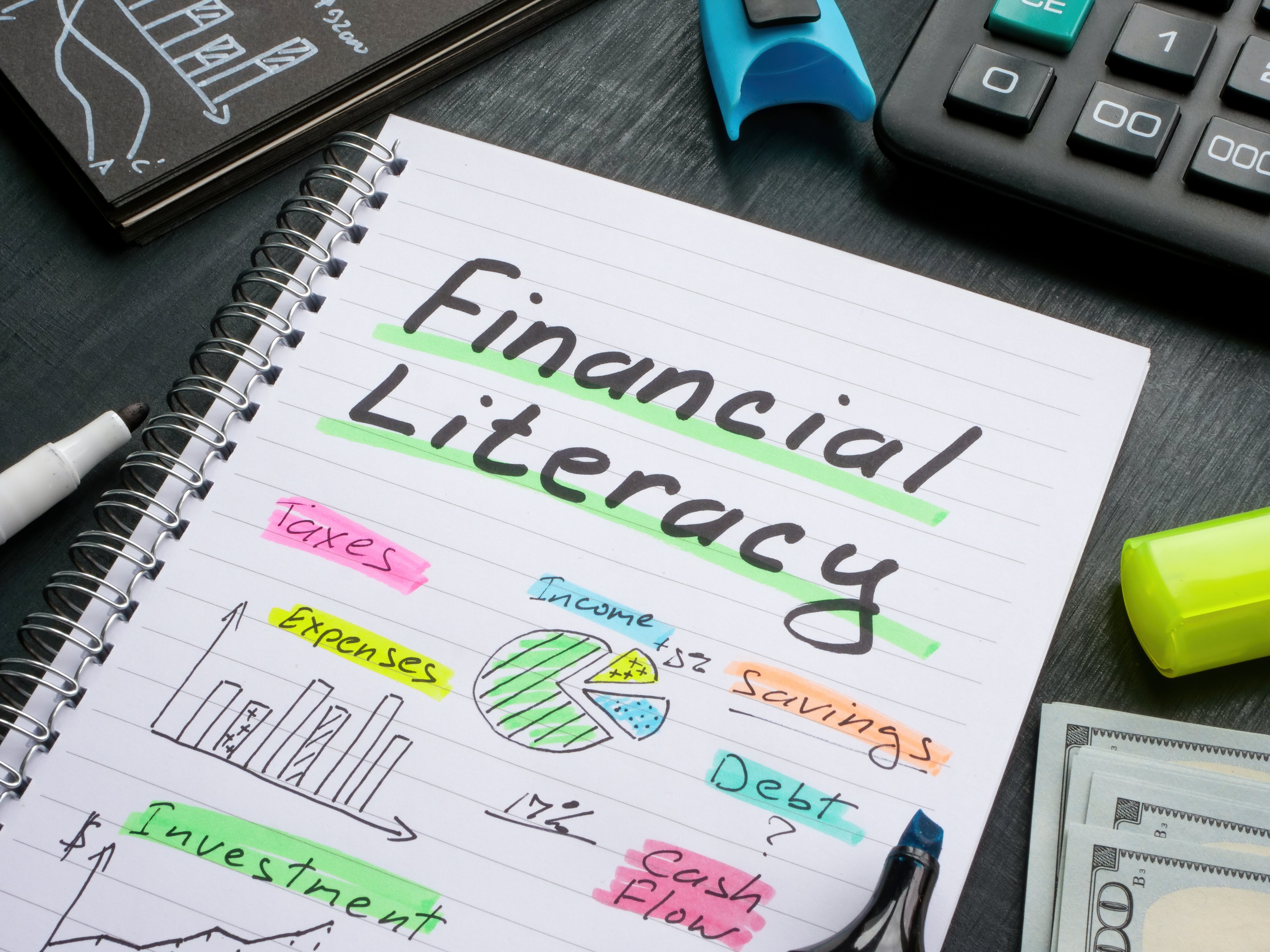 Financial literacy is an essential life skill. Yet many people reach adulthood without the basic knowledge they need to successfully manage their money and make smart financial decisions that make a difference in the short and long term. Here are a few skills it is best to understand before you become an adult, but can learn at any age:
How to Earn Money Strategically
Most people are taught to "get a job." Few are taught how to evaluate income strategically.
Financial literacy starts with understanding:
How different pay structures work (hourly versus salary versus contract).
The long-term value of benefits like health insurance and retirement matching.
How to negotiate raises.
How to grow skills that increase earning power over time.
A practical financial education teaches how to evaluate job offers, calculate take-home pay, and identify opportunities to increase earning potential, whether through career advancement, certifications, or entrepreneurship.
How to Save Before You Need To
Saving for the future can protect you from job loss, medical bills, car repairs, and unexpected expenses without taking on high-interest debt. Even modest savings create breathing room. And breathing room reduces financial stress.
By saving money, you could:
Build an emergency fund to cover unexpected expenses such as job loss or medical bills.
Make big purchases without having to rely on credit.
Handle sudden home or car repairs with ease.
Afford enjoyable experiences like hobbies or vacations.
Cover medical expenses not covered by your insurance.
Prepare for a comfortable retirement.
Leave a financial legacy for your loved ones.
Also, putting money aside for important purchases and meaningful experiences allows you to enjoy what you earn and can improve your quality of life.
How to Spend Money and Follow a Budget
Budgeting is the best way to understand where your money is going and what changes you need to make to achieve your financial goals.
Financially literate spending means:
Knowing where your money goes each month.
Identifying fixed versus variable expenses.
Preventing lifestyle creep.
Aligning spending with personal priorities.
Avoiding impulsive purchases that derail long-term goals.
Regular budgeting and reviewing purchases will help you notice trends and see ways to make the most of your money. Budgeting also encourages disciplined saving because it gives you the tools you need to prioritize. Once budgeting is a part of your routine, you'll be less likely to make impulsive purchases, overextend yourself, or take on unnecessary debts.
How to Borrow Wisely
Debt isn't inherently bad — but misunderstanding it can be expensive.
Make sure you fully understand:
How credit cards work.
The impact of interest rates and compound interest.
The difference between secured and unsecured loans.
The long-term cost of minimum payments.
What builds or damages a credit score.
How to create a plan to pay off debt, whether through the avalanche method (highest interest first) or the snowball method (smallest balance first).
Leveling up here means understanding good and bad debt. Some borrowing — like a reasonably priced mortgage or student loan tied to strong earning potential — can be strategic, while other types of debt, like payday loans or high-interest credit cards, can trap you in a debt cycle.
Understanding the true cost of borrowing before signing an agreement is one of the most powerful financial skills you can develop.
How to Protect Your Financial Life and Information
Interacting with financial products typically means sharing personal information with service-trusted providers. Be savvy about who you share information with and learn how to spot suspicious activity that could impact your financial life.
That includes:
Monitoring credit reports.
Understanding identity theft risks.
Using secure passwords and multi-factor authentication.
Carrying appropriate insurance coverage.
Assessing financial service providers for legitimacy and security.
Additionally, identity theft and financial fraud can cause long-lasting damage. Knowing how to protect your financial life is just as important as knowing how to build it.
How to Invest for the Long Term
If there's one lesson that transforms financial futures, it's this: money grows when given time. Investing is how wealth is built.
Yet many adults leave school without understanding:
How compound growth works.
The difference between stocks, bonds, and mutual funds.
The role of retirement accounts.
The concept of risk tolerance.
The power of starting early.
Even small, consistent investments can grow significantly over decades. The earlier someone understands that time in the market often matters more than timing the market, the better positioned they are for long-term security.
For a financial literacy FAQ, read the full article here.
Not everyone is fortunate enough to learn financial skills during childhood. The good news is, it is never too late to learn. And then you will have the opportunity to pass those skills on to your own children, do so. You will be helping them get off to the best start possible.

Nothing feels more adult that setting a budget and sticking to it. But it isn’t something you just inherently know how to do. Like with all essential...
.jpeg)
If you’re working hard to save money, you probably have been attempting to set a budget for yourself. That’s an excellent financial practice with...

Parents today are determined to make sure their children get a head start on their financial future by learning the skills the will need to succeed....