


3 min read

Do You Have a Family Emergency Bag?

Do You Have a Family Emergency Bag?

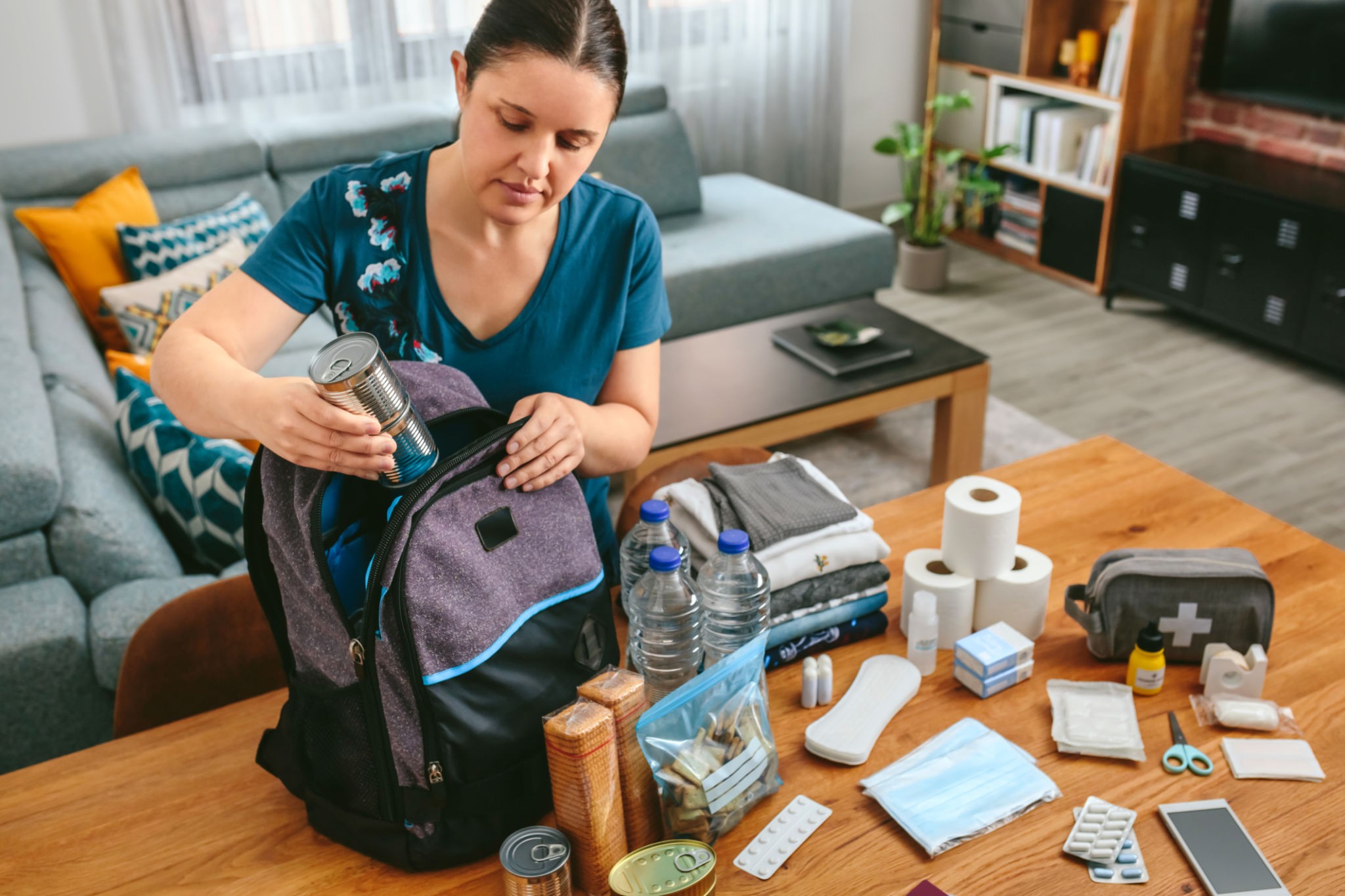
Emergencies can happen anywhere, at any time. Depending on where you live, there are some disasters that have a higher probability of taking place. Hurricanes. Wildfires. Earthquakes. If you live in a location where these can occur, you likely know the importance of preparing as much in advance as possible. A family emergency plan is essential. Packing a bag you can grab in a moment’s notice can also help bring peace of mind, and make all the difference in the face of a disaster. Here’s what you’ll want to include:

Food And Water

“The food really depends on your child’s age,” says Dr. Amanda Furr, chief medical officer at Zarminali Pediatrics and mom of four. “So nonperishable snacks for little kids, protein bars for my older kids,” she says. “And then, of course, if you have an infant that’s relying on formula or even milk, getting powdered milk, or having formula on hand for the baby would be super important.” If you breastfeed, you may want to pack a manual pump and a few empty bottles. For babies who are used to purees, pouches are great because they are lightweight and may not require utensils.

Include sealed water bottles for each person, and you may also want a collapsible water bottle or jug that can be filled up as needed, too. According to the America Red Cross, the standard guidance is to have 1 gallon of water per person per day, regardless of age. If this is more than you can carry, add what you can manage. If you are breastfeeding, pack additional drinking water for yourself. For a baby who drinks formula, be sure to have enough distilled water to mix formula for three days of their typical consumption or consider packing a supply of pre-mixed formula bottles.

Hygiene

For babies and toddlers who aren’t yet potty-trained, include a nice stash of diapers. I recommend baby wipes for everyone, no matter the age of your kids, because they come in handy for cleaning just about everything. I also like to stash extra diapers in the car and stroller at all times—and they’ve come in handy during plenty of nonemergency situations.

Also pack toothbrushes, toothpaste, soap and a washcloth. It’s also nice to have a clean change of clothes and pajamas for each child.

First Aid And Medicine

Keep a week’s supply of any prescription medications your child takes, including anything that might only be taken on an as-needed basis, like inhalers. Also pack supplies for cuts and scrapes. Pre-made first aid kits are handy, because they come stocked with different bandage sizes and disinfecting wipes. But make sure you include a few key medicines, too.

Documents

Any emergency bag should have copies of important documents, like your driver’s license, insurance policies and a list of important contacts. Include copies of your child’s birth certificate and Social Security card, as well as recent photos of your child. If they are school age, include contact information for their school or anyone else who might need to be notified of absences. You may also find it helpful to put digital versions of important files on a thumb drive.

Comfort And Well-Being

Emergencies, even when we’re prepared for them, are stressful for kids. If you can, pack a few toys, books or activities—"something that your child will be able to engage with," suggests Greta Wetzel, Save the Children’s senior advisor for psychosocial support for U.S. emergencies. If your child uses a swaddle, sleep sack or pacifier to fall asleep, be sure to include that, too.

It’s also OK to consider your own needs as a caregiver when it comes to packing comfort items. If there are activities you do with your children that you also find calming, like coloring books, fidget toys or soothing stories, prioritize them. If your kids are old enough, try getting them involved in packing their own bag and talking about what to do in case of an emergency.

For more tips and expert recommendations, read the full article here.

Of course, a family emergency bag is something you hope you never need to use. But having one at the ready, or at the very least knowing where the supplies are and having them be easily accessible, can make all the difference. And if you ever are in the position to need it, you’ll be glad you took the time to prepare one.

The content on this site is intended for informational purposes only and should not be considered accounting, legal, real estate, tax, or financial advice. First Federal Bank recommends that customers conduct their own research and consult with professional legal and financial advisors before making any financial decisions. Links to third-party websites may be provided for your convenience; however, First Federal Bank does not guarantee the reliability, accuracy, or safety of the information, products, or services offered on these external sites. We are not liable for any damages resulting from the use of these links, and we do not investigate, verify, or endorse the content or opinions expressed on any third-party sites. First Federal Bank | Equal Housing Lender | NMLS # 408902